


By: Lobo Ley
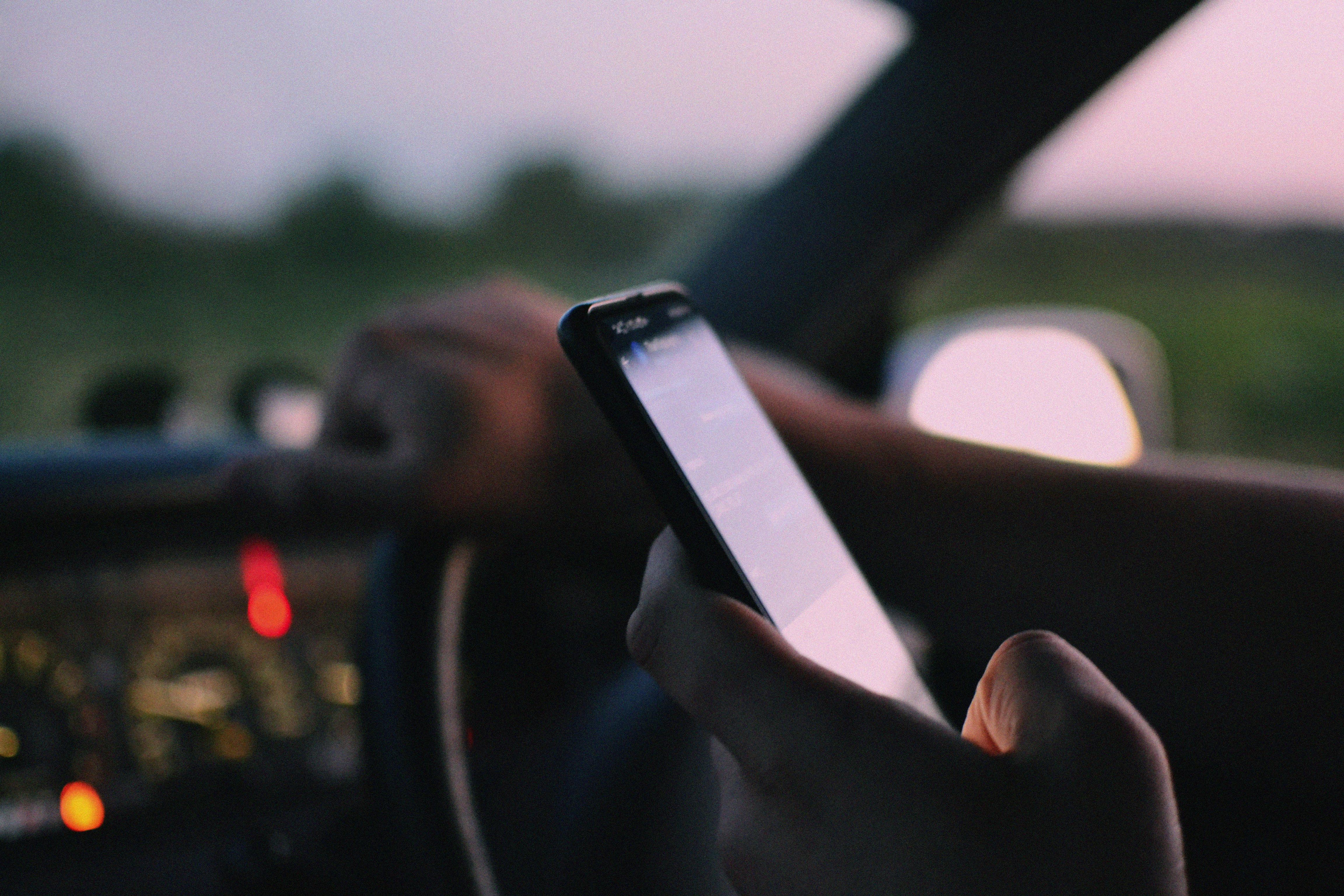
Getting hit by a distracted driver can turn an ordinary day into something overwhelming in seconds. One moment you are driving past familiar places like the Houston Galleria or merging onto I-45, and the next, everything changes. If this happened to you, you are likely asking the most important question right now: how can you actually prove the other driver was distracted?
Understanding what evidence matters can make a real difference in your case. More importantly, acting quickly can protect your ability to recover compensation.
Call Lobo Ley today at 713-481-0072. Our team is available 24 hours a day, seven days a week. We can meet you at home, at the hospital, or wherever is most convenient for you.
Distracted Driver Houston Case: What Counts as Distracted Driving?
Distracted driving is more than just texting behind the wheel. In Houston, it often includes:
- Using a phone for calls, texts, or social media
- Adjusting GPS while driving through busy areas like Downtown Houston
- Eating or drinking behind the wheel
- Talking to passengers instead of watching the road
Because Houston traffic is dense, especially around landmarks like the Texas Medical Center or Highway 59, even a few seconds of distraction can cause serious accidents.
Evidence for Distracted Driving Accidents: What Can Prove Your Case?
To build a strong case, we focus on clear, convincing evidence. The goal is to show that the driver was not paying attention and that their actions caused your injuries.
Phone Records: Can We Prove They Were Using Their Phone?
One of the strongest forms of evidence is phone data. If the driver was texting, calling, or using an app at the time of the crash, those records can help establish distraction.
In many cases, we can request these records during the legal process to confirm what the driver was doing in the moments before impact.
Traffic Cameras and Surveillance: What Did the Cameras Capture?
Houston has traffic cameras throughout major intersections and highways. Areas near Daikin Park, the Galleria, and major interchanges often have video footage.
Nearby businesses may also have surveillance cameras that captured the crash. This footage can show:
- The driver looking down instead of at the road
- Sudden failure to brake
- Swerving or drifting between lanes
Witness Statements: What Did Others See?
Witnesses can provide valuable insight. Someone nearby may have seen the driver holding a phone or behaving erratically.
Their statements can support your version of events and add credibility to your claim.
Police Reports: What Did the Officer Document?
After a crash, law enforcement creates an official report. This document may include:
- Observations of distracted behavior
- Statements from both drivers
- Citations issued at the scene
If the officer suspected distraction, that detail can strengthen your case.
Vehicle Data and Crash Reconstruction: What Does the Technology Show?
Modern vehicles often record driving behavior. This can include:
- Speed before impact
- Braking patterns
- Steering inputs
If the driver never braked or reacted, that may suggest they were not paying attention.
In more complex cases, accident reconstruction experts analyze the crash to show exactly what happened.
Houston Distracted Driving Claim: Why Acting Quickly Matters
Time is critical after a distracted driving accident. Evidence does not last forever.
- Camera footage may be deleted within days
- Witness memories can fade
- Phone data may become harder to access
Because of this, taking action early helps preserve the strongest possible case.
What Should We Do After a Distracted Driving Accident in Houston?
If you were injured, here are steps that can protect your case:
- Seek medical attention right away
- Take photos of the scene, vehicles, and surroundings
- Get contact information from witnesses
- Avoid discussing fault at the scene
- Speak with a legal team before talking to insurance companies
Each step helps build a clearer picture of what happened.
Distracted Driving Injury Lawyer Houston: How We Help Build Your Case
At Lobo Ley, we take a hands-on approach from the start.
We:
- Investigate the crash thoroughly
- Gather phone records and video evidence
- Work with experts when needed
- Communicate with you directly throughout the process
Our team has spent over 15 years helping thousands of clients across Texas, including Houston, Dallas, Austin, and San Antonio. Our results include significant settlements, and we focus on making sure every client feels supported and informed.
Injured by a Distracted Driver in Houston: Why Local Experience Matters
Houston roads present unique challenges. From heavy traffic near the Energy Corridor to busy intersections in Midtown, understanding local patterns helps build stronger cases.
We know where to look for evidence, how local authorities handle reports, and how to move quickly when it matters most.
Injured by a Distracted Driver in Houston? Contact Lobo Ley Injury Lawyers Today
If you are dealing with injuries after a distracted driving accident, you do not have to figure this out alone.
Lobo Ley is available 24 hours a day, seven days a week. We can meet you at your home, in the hospital, or wherever is most convenient for you.
Call713-481-0072or fill out our online contact form today to discuss your situation and learn what steps you can take next.
FAQ: Distracted Driving Houston Claims
What evidence proves distracted driving in Houston?
Phone records, camera footage, witness statements, and police reports are commonly used to prove distraction.
Can we access the driver’s phone records after an accident?
Yes, in many cases phone records can be obtained through the legal process to show activity at the time of the crash.
How long do we have to file a distracted driving claim in Texas?
Texas law generally allows two years from the date of the accident, but acting sooner helps preserve evidence.
What if the driver denies being distracted?
Other evidence such as video footage, vehicle data, and witness testimony can still prove what happened.
Disclaimer: This blog is intended for informational purposes only and does not establish an attorney-client relationship. It should not be considered as legal advice. For personalized legal assistance, please consult our team directly.