


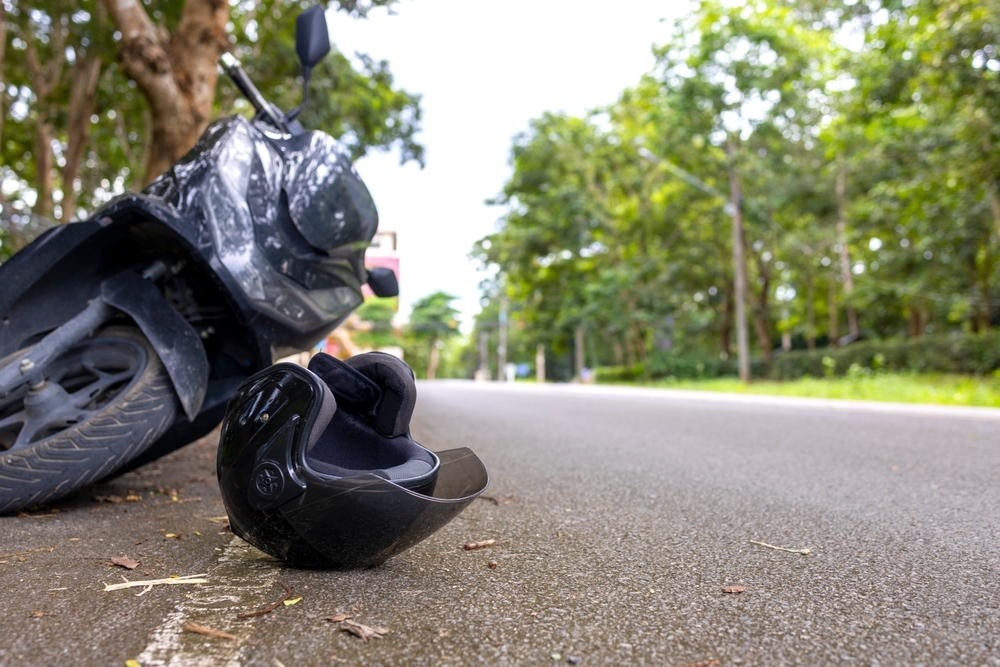
A motorcycle accident can change your life in seconds. You may feel adrenaline, confusion, and pain all at once. Meanwhile, the other driver may seem calm at the scene, but their insurance company may dispute your claim days later. Because motorcycles offer less protection than passenger vehicles, riders often suffer serious injuries. Therefore, what you do starting on the first day can influence both your health and the strength of your motorcycle accident claim.
Get to Safety, Call 911, and Request the Police
Start with safety. Get out of traffic if you can do so without putting yourself at risk. Then call 911 and request police and medical assistance. Even if the accident seems minor, a police report creates an official record of the date, time, location, and people involved.
Seek Medical Attention the Same Day
Motorcyclists often suffer concussions, fractures, severe road rash, and spinal injuries. However, symptoms may appear later, especially with head or neck trauma. For this reason, seek a medical evaluation on the same day. Explain how the accident happened and where it hurts. Afterward, comply with referrals and follow-up appointments. Consistent care protects your health and also creates a clear timeline.
Photograph and Record Key Details Immediately
If possible, take photos and videos before the vehicles are moved. Capture positions, damage, license plates, skid marks, debris, traffic lights, signage, and weather/lighting conditions. Also, photograph your helmet and gear. Additionally, jot down details while they are fresh, such as the direction you were traveling, your lane position, and what the driver did just before impact.
If you cannot document at the scene, ask a friend or family member for help once you are safe. Either way, start a simple timeline from day one.
Gather the Right Information and Identify Witnesses
Exchange information calmly and objectively. Obtain the driver’s name, contact info, license number, plate number, and insurance information. Then, look for witnesses before they leave. Ask for names, phone numbers, and a brief summary of what they saw. Also, note where they were standing or driving to establish their point of view later.
Avoid arguing about fault. Let the documentation speak for itself.
Protect Your Motorcycle and Gear
Your motorcycle and gear can show the severity of the crash and the angles of impact. Therefore, keep your helmet, jacket, gloves, boots, and any damaged equipment. Do not throw them away. Also, avoid repairing the motorcycle before fully documenting the damage. If the bike goes to a tow yard, take photos there as well. If an insurer requests an inspection, ask for a copy of any notes or photographs.
Report the Accident to Insurance Without Making Assumptions
Most policies require immediate notification. Report the accident, but keep your statements brief. Provide the date, time, location, and vehicles involved. Then explain that you will share more information after receiving a medical evaluation and the police report. If an adjuster insists on a recorded statement immediately, you can decline until you feel prepared. Early statements often force motorcyclists to make assumptions about speed, distance, or injuries.
Also, be careful with broad medical authorizations. Insurers sometimes use them to search for unrelated medical history. When you share records, do so specifically.
Keep Track of Expenses, Symptoms, and Lost Time at Work
Injuries from motorcycle accidents generate costs beyond the first bill. In addition to medical care, you may pay for prescriptions, imaging studies, physical therapy, wound supplies, and transportation to appointments. You may also lose days of work. Therefore, maintain a claim folder.
Include:
- Medical bills and visit summaries
- Receipts for medications
- Photos of injuries over time
- Towing and storage receipts
- Repair estimates
- Mileage to medical appointments
- Pay stubs and records of lost time
These documents help demonstrate the financial impact and the disruption to your daily life.
Stay Alert to Insurance Tactics Against Motorcyclists
Insurers often treat motorcycle claims differently. They may imply that you accepted a higher risk by riding or argue that you caused the accident. They may also minimize injuries like severe road rash or concussion symptoms. For this reason, stay consistent and careful.
Common tactics include:
- Pressuring for a quick settlement before you know your prognosis
- Asking leading questions about speed or lane position
- Blaming visibility, even when the driver failed to yield
- Using social media posts to claim you are fine
Therefore, limit what you post on social media until the claim is over.
Understand Common Fault Issues in Motorcycle Accidents
Drivers often do not see motorcycles at intersections, during lane changes, or on left turns. At the same time, insurers may try to blame the motorcyclist. Focus on the key facts.
These include:
- Right of way at turns and intersections
- Distracted driving and lack of proper attention
- Unsafe lane changes and failure to check mirrors
- Rear-end impacts in stopped traffic
- Road hazards, such as debris or poor maintenance
If a hazard contributed to the accident, note it immediately and take photos if possible.
Follow Medical Instructions and Avoid Long Gaps in Treatment
You don’t need perfect attendance to heal, but long gaps can affect your recovery and your claim. If cost or scheduling makes treatment difficult, inform your provider so it is documented. Also, ask about safe exercises you can do at home. Clear records prove that you took your injuries seriously.
Frequently Asked Questions About Motorcycle Accident Claims
Should I Get a Copy of the Police Report? Yes. The report may include driver statements, witness names, and a diagram that supports your timeline.
What if I Didn’t Go to the Hospital Immediately? Seek care as soon as symptoms appear. Many injuries worsen over time, and an early evaluation helps establish the connection.
Can I Repair My Motorcycle Before the Claim is Over? Take detailed photos, keep estimates, and try to allow an inspection before performing major repairs.
Speak With Lobo Ley About Your Motorcycle Accident Claim in Houston
A motorcycle accident can leave you dealing with pain, time away from work, and pressure from adjusters. If you want help building a strong claim from day one, Lobo Ley can review the facts and explain your options. Call 713-481-0072 or use the online contact form to schedule a consultation.
Legal Disclaimer: This blog is for informational purposes only and does not establish an attorney-client relationship. It should not be considered legal advice. For personalized legal assistance, consult with the team directly.