



The sudden screech of tires followed by a violent impact at an intersection is a traumatic experience that leaves most drivers in a state of shock. You know that you waited for a gap in traffic and that the other driver was speeding excessively, yet the police officer hands you a ticket before the tow truck even arrives. In Texas, the law often places an immediate burden on the driver making a left turn, but being issued a citation does not mean your case is over. If you are struggling with injuries and the frustration of being unfairly blamed, call Lobo Ley at 713-481-0072 or through our online contact form to schedule a free, confidential consultation.
The Left Turn Trap: Why Texas Law Initially Favors The Oncoming Driver
Texas Transportation Code Section 545.152 requires a driver turning left to yield the right of way to any vehicle approaching from the opposite direction that is an immediate hazard. Because of this specific statute, insurance adjusters and law enforcement officers often default to blaming the turning driver without looking at the full context of the accident. This creates a difficult situation for victims who were acting safely but were struck by someone else's negligence.
The assumption that the turning driver is always at fault is a significant hurdle in personal injury claims. Insurance companies use this legal baseline to deny claims quickly, hoping that the injured party will simply give up. However, these laws are not absolute, and they do not give oncoming drivers a license to speed or drive recklessly through intersections.
Understanding the legal framework is the first step in building a defense against unfair blame. While the law sets a standard for yielding, it also requires all drivers to exercise reasonable care to avoid a collision. When an oncoming driver fails in that duty, the responsibility for the crash shifts toward them.
Breaking The Stereotype: When The Oncoming Driver Is Actually At Fault
Even though you were the one making the turn, there are several circumstances where the other party is legally responsible for the resulting collision. Investigating these factors is essential to proving that you were not the primary cause of the accident. If the other driver was breaking traffic laws, their actions may override the general yielding requirement.
Many left turn accidents in Houston occur because an oncoming driver is trying to beat a changing light. When a driver accelerates to enter an intersection on a late yellow or a red light, they are creating a hazard that a reasonable person could not have anticipated. In these cases, the speeding driver is the one who created the danger.
Distracted driving is another major factor that often goes overlooked in the initial police report. If the person who hit you was looking at a phone or navigating a GPS, they likely failed to apply their brakes or swerve to avoid the impact. This failure to maintain a proper lookout is a form of negligence that can be used to prove your innocence.
Similar Post: What to Say (and What NOT to Say) to the Police After a Major Wreck
Beyond The Police Report: Proving Liability Through Physical And Digital Evidence
To overcome the initial presumption of fault, you must present clear and convincing evidence that shows what actually happened in the moments leading up to the crash. Physical evidence at the scene often tells a different story than the statements given to the police. Our team looks at a variety of data points to reconstruct the event accurately.
Modern vehicles are equipped with technology that acts as a silent witness during a collision. By accessing this information, we can often prove that the other driver was traveling well above the posted speed limit or failed to slow down at all before hitting your vehicle. This data is often more reliable than the memory of witnesses or the drivers involved.
- Event data recorders: The system captures vehicle speed and braking patterns in the seconds before impact.
- Traffic camera footage: The video provides a visual record of light colors and vehicle positions.
- Cell phone records: The data shows if the other driver was using their device at the time of the crash.
- Point of impact analysis: The location of the damage on both cars indicates the speed and angle of the collision.
- Tire skid marks: The length and direction of these marks help determine how fast a vehicle was traveling.
Once this evidence is gathered, it becomes much harder for an insurance company to maintain that you were solely at fault. A comprehensive look at the facts often reveals that the oncoming driver had ample time to stop or avoid you if they had been paying attention. This evidence provides the foundation for a successful recovery of damages.
The Black Box Secret: How Vehicle Data Can Clear Your Name
Many drivers are unaware that their vehicle contains a small computer that logs critical performance data. In the event of a crash, this device records the exact speed, throttle position, and whether the brakes were applied. This objective data is often the most powerful tool we have to challenge a police officer's initial assessment of fault.
If the oncoming driver claims they were going the speed limit but the black box shows they were doing 20 miles per hour over, the entire liability picture changes. This evidence proves that the driver was not an immediate hazard when you started your turn, but became one because of their illegal speed. Our team knows how to preserve and download this data before it is lost or overwritten.
Using digital evidence allows us to build a case based on physics rather than just opinions. When we can show the exact moment of impact and the speeds involved, the insurance company has a much harder time denying the claim. This technical approach is a key part of how we protect our clients from unfair blame.
Similar Post: Understanding Your Rights After A Serious Motor Vehicle Accident In Texas
Don't Let Them Cut Your Compensation: Understanding Texas Proportionate Responsibility
Texas follows a legal doctrine known as proportionate responsibility, which is found in Chapter 33 of the Civil Practice and Remedies Code. This means that more than one person can be at fault for an accident. As long as you are not more than 50 percent responsible for the crash, you can still recover compensation for your medical bills and lost wages.
If a jury finds that you were 20 percent at fault for the turn but the other driver was 80 percent at fault for speeding, your total compensation will be reduced by your percentage of fault. This is why insurance companies fight so hard to place even a small amount of blame on you. Every percentage point they can pin on the turning driver saves them money.
Fighting against an unfair fault percentage requires a strategic approach to the facts. We focus on showing that your actions were those of a cautious driver and that the accident would not have happened if the other party had followed the rules of the road. Protecting your percentage of recovery is just as important as proving the other driver was negligent.
The Power Of The Unbiased Eye: Why Witness Testimony Changes Everything
Witnesses who are not involved in the crash can provide an unbiased perspective that carries a lot of weight with insurance adjusters and juries. People standing on a sidewalk or waiting in other cars often see details that the drivers involved might have missed due to the stress of the moment. Securing these statements early is vital to your case.
Sometimes, a witness can confirm that the oncoming driver had a red light or was swerving between lanes before the impact. Because they have no financial stake in the outcome of the case, their testimony is often viewed as highly credible. We work to locate these individuals and document their accounts before their memories fade.
Even if there were no people standing nearby, other forms of testimony can be utilized. Nearby businesses often have security cameras that catch the surrounding traffic flow. While these cameras might not see the impact directly, they can show how fast the other driver was moving a block away from the intersection.
Why A Traffic Ticket Is Not The Final Word On Your Injury Claim
It is common for clients to feel defeated because a police officer decided they were at fault at the scene. It is important to remember that a police report is an officer’s opinion based on a brief investigation, and it is not always admissible as evidence in a civil trial. Officers often make mistakes, especially if they did not talk to all the witnesses or if they arrived long after the cars were moved.
A civil personal injury claim is a separate process from a traffic citation. Just because you received a ticket for failure to yield does not mean you cannot win your personal injury case. We have successfully helped many clients who were initially blamed by the police but were later found to be the victims of another person's negligence.
Our process involves looking deeper than the initial report. We examine the training of the officer, the weather conditions at the time of the report, and any inconsistencies in the other driver’s story. By challenging the findings of a flawed report, we can shift the focus back to the true cause of the injuries.
Facing The Aftermath: Common Injuries From High-Impact Intersection Crashes
Because left turn accidents often involve a side impact or a T-bone collision, the injuries can be catastrophic. The side of a vehicle offers much less protection than the front or rear, leaving the driver and passengers vulnerable to the full force of the oncoming car. These injuries often require long-term medical care and physical therapy.
Victims often face high medical costs and a long road to recovery. Beyond the physical pain, there is the emotional toll of dealing with an injury that was not your fault. Documenting every aspect of your medical treatment is a key part of the legal process to ensure you are fully compensated for your losses.
- Traumatic brain injuries: The sudden jolt or impact causes the brain to strike the inside of the skull.
- Spinal cord damage: The force of a side impact can lead to herniated discs or permanent paralysis.
- Internal organ damage: The compression of the car door can cause life-threatening internal bleeding.
- Broken bones: The arms and legs are often fractured as the vehicle frame collapses inward.
- Lacerations from glass: The side windows frequently shatter, causing deep cuts and permanent scarring.
After a serious injury, your focus should be on your health rather than arguing with an insurance adjuster. Having a legal team handle the details of your claim allows you to attend your medical appointments and rest without the constant stress of legal deadlines. We ensure that every injury is accounted for in your demand for compensation.
Similar Post: Soft Tissue Injuries After a Car Accident in Texas: What You Should Know
Getting Your Life Back: Recovering Full Compensation For Your Damages
The goal of a personal injury claim is to restore you to the position you were in before the accident occurred. This involves identifying all the ways the crash has impacted your life, both financially and personally. A successful claim covers more than just the immediate hospital bills.
In Houston, the cost of living and medical care is rising, making it even more important to secure a settlement that reflects your future needs. We look at the long-term impact on your ability to work and your quality of life. Whether you need future surgeries or adaptive equipment for your home, these costs must be included in your claim.
- Medical expenses: This includes emergency room visits, hospital stays, and all follow-up doctor appointments.
- Lost income: You can recover the wages you lost while you were unable to work during recovery.
- Loss of earning capacity: This applies if your injuries prevent you from returning to your previous career.
- Pain and suffering: This compensates you for the physical discomfort and emotional distress caused by the crash.
- Property damage: The cost to repair or replace your vehicle and any personal items inside it is covered.
Any settlement offer from an insurance company should be reviewed carefully. They often offer a quick check that covers current bills but ignores the fact that you might need treatment for years to come. Once you sign a release, you cannot go back and ask for more money later, so it is vital to get it right the first time.
Why You Need A Buffer: Dealing With Aggressive Insurance Adjusters
Insurance adjusters are trained to protect the bottom line of their company. They may seem friendly on the phone, but their primary goal is to find reasons to pay you as little as possible. When they call you after a left turn accident, they are often looking for an admission of guilt or a statement that downplays your injuries.
You are not required to give a recorded statement to the other driver’s insurance company immediately after an accident. In fact, doing so without legal advice can be a mistake. It is easy to misremember details or use phrases that the insurance company will later twist to show that you were at fault.
We provide a buffer between you and the insurance industry. When you have representation, the adjusters must go through your legal team. This ensures that all information shared is factual and that the focus remains on the negligence of the person who hit you.
Reclaiming Your Rights With Lobo Ley: Taking Action To Protect Your Future After a Left-Turn Accident in Texas
The time following an accident is a critical window for gathering evidence and making legal decisions. In Texas, there are statutes of limitations that dictate how long you have to file a lawsuit. If you wait too long, you may lose your right to seek compensation forever, regardless of how clearly the other driver was at fault.

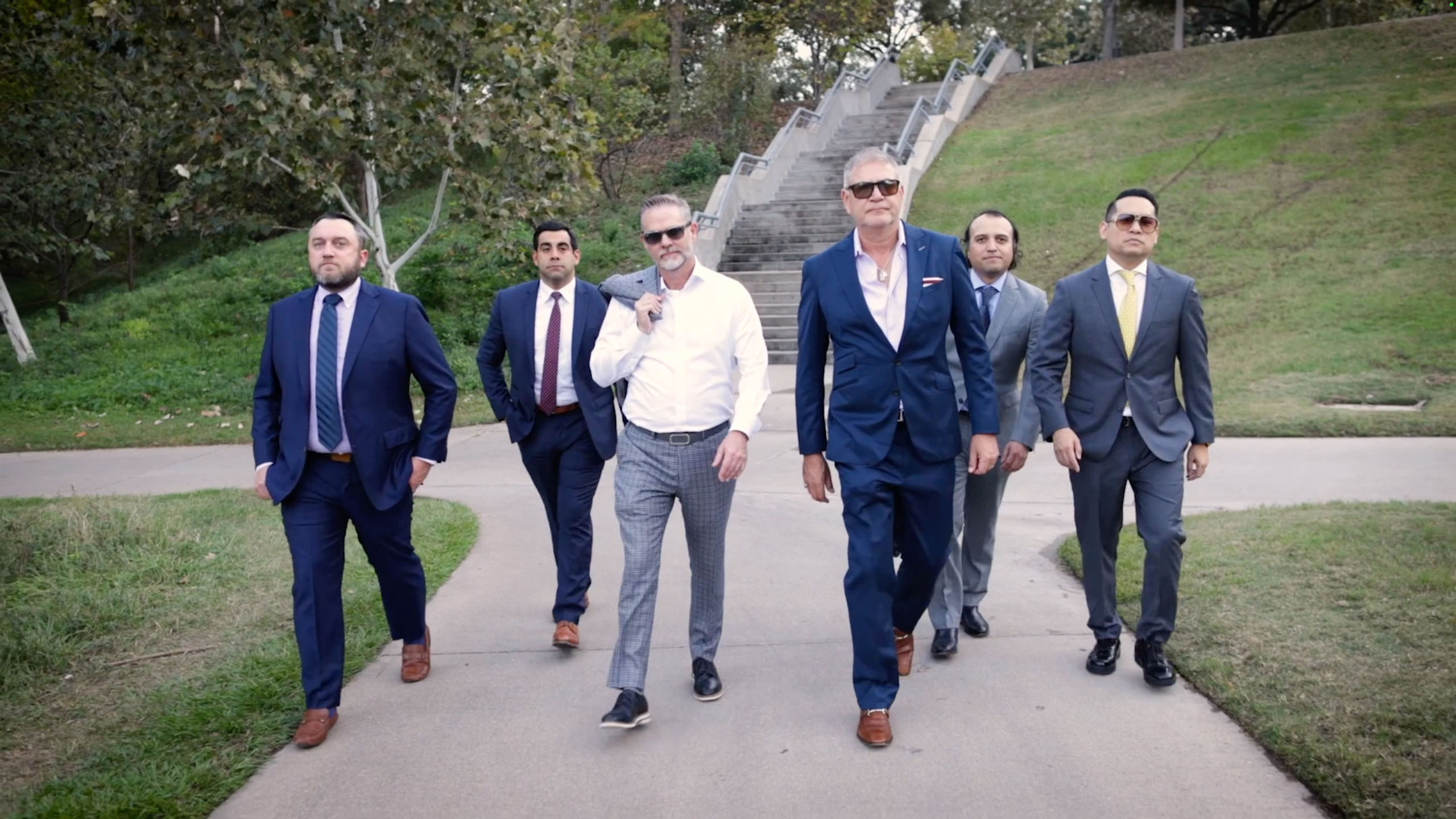
Taking the first step after a car accident can feel overwhelming, especially when you are dealing with physical pain and a damaged vehicle. However, reaching out for help is the best way to stop the cycle of unfair blame. We are here to listen to your story and provide the guidance you need to move forward with confidence.
With 15 years helping thousands of clients obtain the compensation they need, our firm is prepared to handle the toughest intersection disputes. Our verdicts and settlements include seven-figure results that demonstrate our commitment to justice. Our team of nine attorneys and one of counsel is supported by a dedicated group of investigators and paralegals focused solely on your recovery.
At Lobo Ley, we understand that your life does not stop after an accident, which is why we are available 24 hours a day, seven days a week. We are also prepared to meet you at your home, the hospital, or wherever is most convenient for you. Call us now at 713-481-0072 or reach out through our online contact form to speak with an attorney and learn how we can help protect your rights. We represent clients throughout Texas, including Houston, Dallas, and San Antonio.
Disclaimer: This blog is intended for informational purposes only and does not establish an attorney-client relationship. It should not be considered as legal advice. For personalized legal assistance, please consult our team directly.